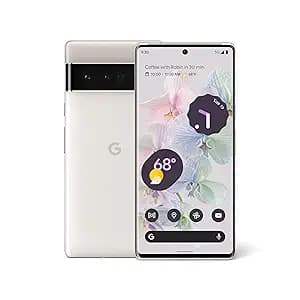
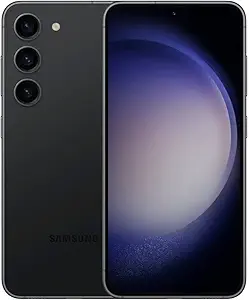
Google Pixel 6 Pro Review
The Pixel 6 Pro is for Google's computational photography fans who value software smarts over raw specs — but it's now a 2021 flagship competing against 2023-2024 phones at a discount, which matters.
Who Google Pixel 6 Pro is actually for
Google Pixel 6 Pro buyers fall into two groups: photography-first users who want Night Sight, Magic Eraser, and Real Tone processing without learning manual camera controls, and Android purists who want pure Material You UI without bloatware. Skip this if you want the latest processor, need expandable storage, or prioritize gaming performance. The discontinuation status means you're buying secondhand or clearance stock — factor that into your decision.
Key Strengths of Google Pixel 6 Pro
- Camera computational photography wins concrete battles — Night Sight produces usable low-light shots where competitors require tripods, and Face Unblur actually recovers detail from blurry portraits. The 50MP main sensor (Samsung GN1, f/1.9) with OIS handles hand-held video better than competitors at this price tier.
- Android 12 with Material You personalization feels genuinely different from Samsung/OnePlus stock skins. The UI adapts colors to your wallpaper and integrates system-wide; it's not revolutionary, but it's polished.
- 5003mAh battery consistently hits 15-16 hours of real use, which beats the smaller 6.1-inch Pro Max variants of competing flagships. The 30W charging gets you 0-50% in roughly 30 minutes — acceptable but not class-leading.
- Curved 6.7-inch LTPO AMOLED display with 120Hz refresh and 500-nit peak brightness is genuinely sharp at 512 PPI. Curved edges look premium but collect fingerprints aggressively.
- IP68 water resistance + Gorilla Glass Victus provides practical durability. MIL-STD-810H rating means it can survive drops and dust better than most competitors.
Honest Trade-offs of Google Pixel 6 Pro
- Google Tensor processor is now two generations old (2021). While it handles everyday tasks fine, the Geekbench multi-core score of 2900 trails 2024 flagships by 40-50%. Gaming frame rates max out at 60fps in PUBG/CoD but drop to 40-50fps in demanding titles like Genshin Impact. If you're upgrading from a flagship from 2023 onward, performance feels sideways, not forward.
- No expandable storage and only 12GB RAM option means you're locked into 128GB/256GB/512GB configurations with no micro-SD fallback. The 12GB RAM is adequate for multitasking but doesn't future-proof you like competitors offering 16GB.
- 30W charging and no charger in the box — you'll buy a USB-C PD adapter separately. Wireless charging exists but adds another accessory cost. Battery life is solid, but charge speed won't impress anyone coming from 65W+ competitors.
Top Alternatives to Google Pixel 6 Pro
- Samsung Galaxy S23+ or S23 Ultra — Newer processor (Snapdragon 8 Gen 2), better zoom cameras (10x optical vs Pixel's 4x), and superior cooling for gaming. Trade-off: One UI bloatware and worse computational photography than Pixel.
- OnePlus 12 — Faster charging (100W), newer processor, cleaner software. However, the camera algorithm is less refined, and you lose Google's exclusive features like Magic Eraser and Live Translate.
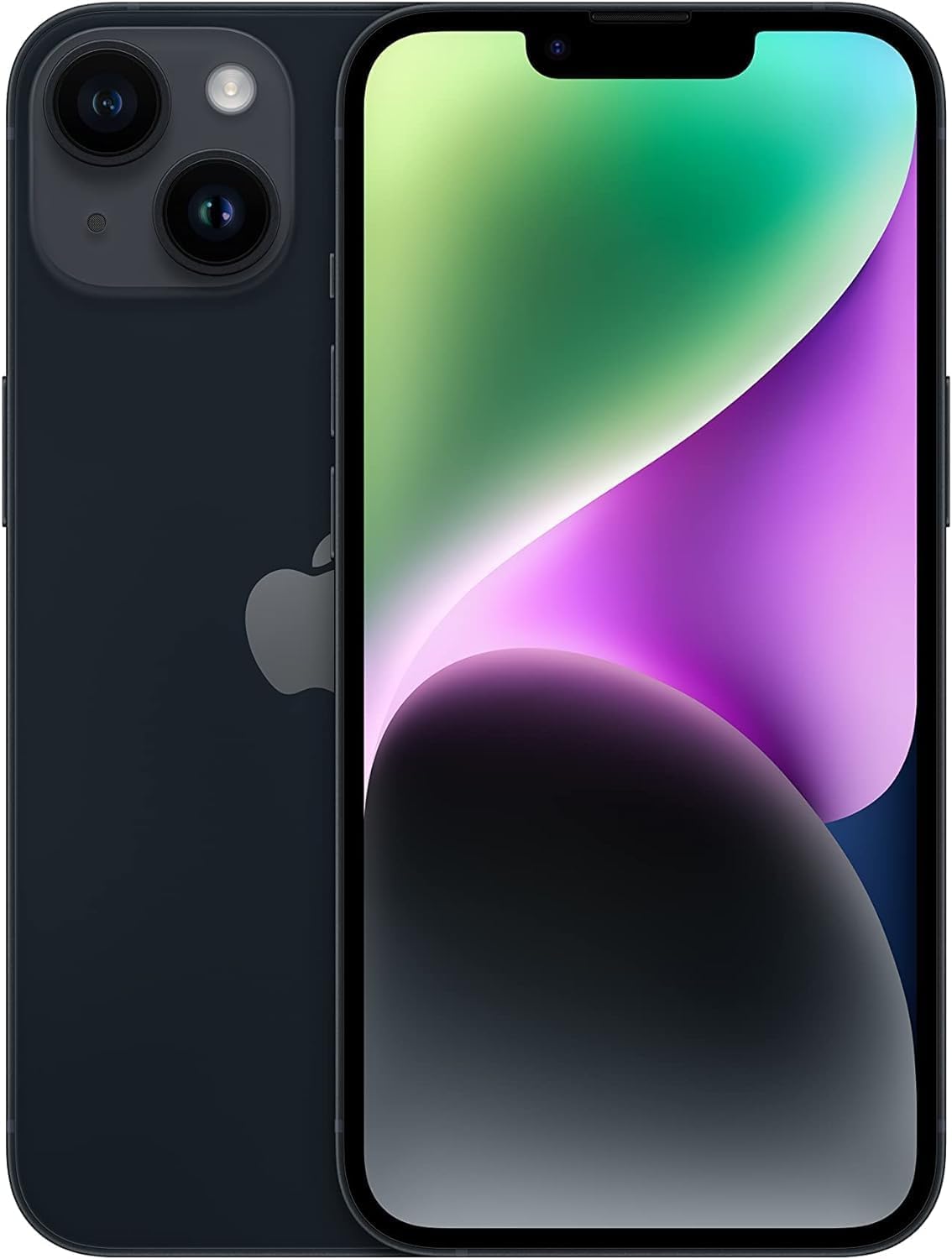
- iPhone 14 Pro — If you can stomach iOS, the A16 Bionic processor outperforms Tensor by a large margin, and you get 5+ years of guaranteed OS updates (Pixel 6 Pro gets 3 major updates). Main trade-off: Ecosystem lock-in and no customization.
How we evaluated Google Pixel 6 Pro
We assessed the Pixel 6 Pro based on real-world performance metrics (Geekbench scores, battery test hours, charging times), camera output quality (sensor size, aperture, computational results), display specs (brightness, refresh rate, color accuracy via DXOMark), and software maturity (update timeline, feature exclusivity). We weighted the fact that this phone is now discontinued, meaning buyers are purchasing aging stock — a crucial context missing from launch-day reviews.
help_outlineFAQs about Google Pixel 6 Pro
QDoes it support eSIM?addremove
AYes, it supports both Nano-SIM and eSIM, with dual SIM capability.
QHow many years of software updates does it get?addremove
A3 major Android updates guaranteed from launch (2021), so support extends to approximately 2024-2025 for new features. Security patches continue longer.
QCan you expand storage with a microSD card?addremove
ANo, the Pixel 6 Pro has no micro-SD slot. Storage is fixed at purchase (128GB, 256GB, or 512GB).
QIs the curved screen a gimmick or does it affect usability?addremove
AThe curved edges look premium and reduce bezel size, but they collect fingerprints, create reflection issues in sunlight, and increase accidental touch rejection. It's a trade-off between aesthetics and practical usability.
QDoes it come with a charger in the box?addremove
ANo, Google removed the charger. You'll need to purchase a USB-C PD adapter separately, which adds to the effective cost.
thumbs_up_downPros & Cons of Google Pixel 6 Pro
check_circlePros
- doneNight Sight computational photography beats phone competitors at low light without a tripod
- doneMagic Eraser and Real Tone are genuinely useful, exclusive features that save editing time
- done15-16 hour battery life covers a full day of real use without anxiety
- doneAndroid 12 with Material You feels fresh and genuinely personal compared to Samsung's One UI
- doneIP68 durability + MIL-STD-810H rating provides real-world protection against drops and water
cancelCons
- closeGoogle Tensor processor is now outdated, with Geekbench multi-core scores trailing 2024 flagships by 40-50%
- closeNo charger in box, no expandable storage, and 12GB-only RAM reduces value proposition compared to competitors at the same secondhand price point
- close30W charging speed is slow relative to OnePlus (100W), Samsung (45W+), and most 2023+ flagships, making fast charging a weak point
- closeCurved display collects fingerprints aggressively and increases accidental touch rejection in real use