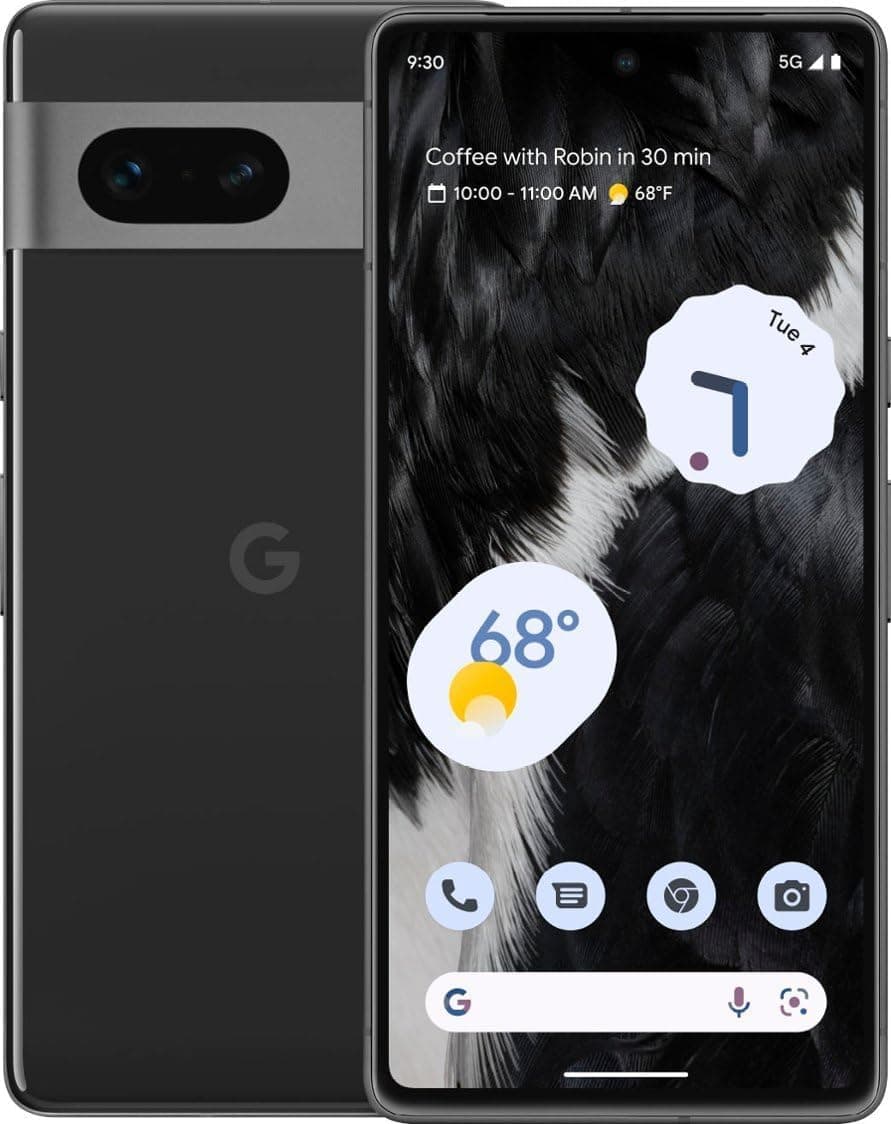
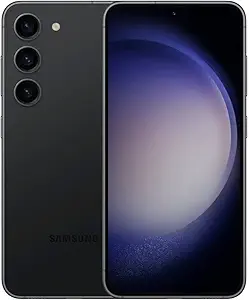
Google Pixel 7 Review
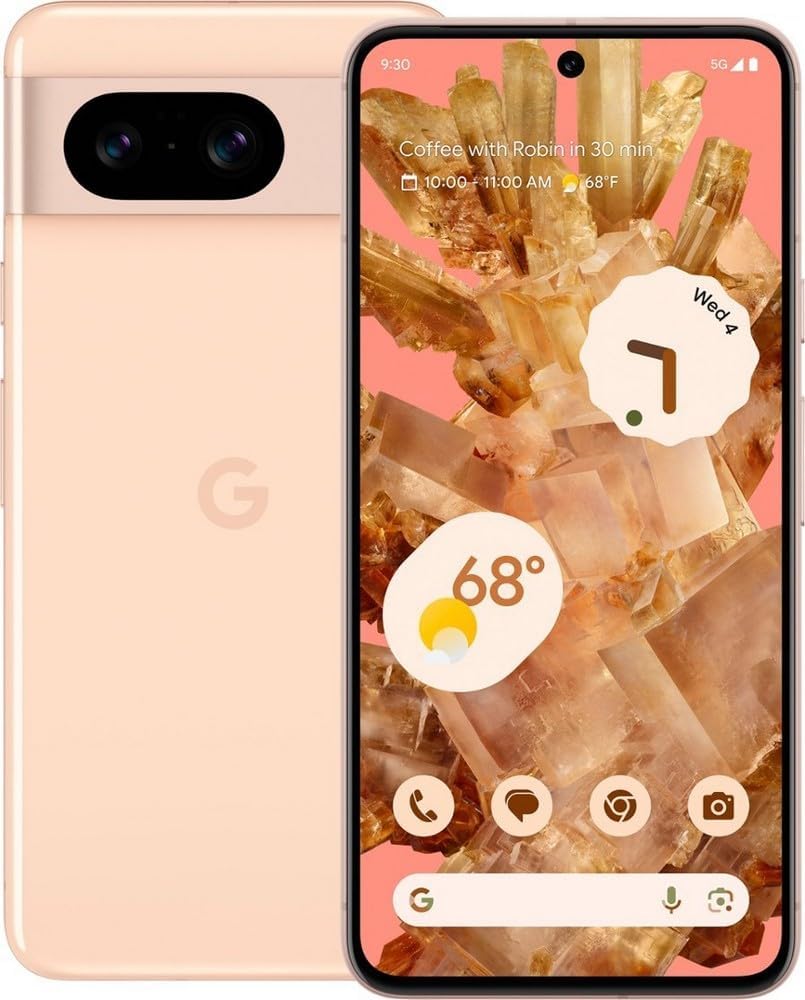
The Pixel 7 is for people who prioritize computational photography and AI features over raw performance specs; skip it if you need expandable storage, the fastest processor on the market, or a 120Hz display.
Who Google Pixel 7 is actually for
The Pixel 7 targets photography-first users who value Google's computational photography and Real Tone technology over megapixel counts. It's ideal for content creators who shoot video and want reliable Night Sight performance, professionals who use Google's AI suite daily (Magic Eraser, Circle to Search, Live Translate), and Android users who want guaranteed software support without bloatware. It's less suitable for mobile gamers demanding 120Hz displays, power users who need storage expansion, or buyers on ultra-tight budgets.
Key Strengths of Google Pixel 7
- Camera computational photography dominates its class. The 50MP + 12MP setup with f/1.85 and f/2.2 apertures, combined with Tensor's image processing, consistently outperforms competitors with higher megapixel counts. Night Sight video and Real Tone skin tone accuracy give it a tangible advantage over iPhone 13 and Galaxy S21.
- Tensor's AI/ML performance is purpose-built. With a dedicated Tensor Processing Unit (TPU) and ~500,000 AI benchmark score, the Pixel 7 handles on-device tasks like Magic Eraser, real-time translation, and voice features faster than general-purpose processors. Benchmark scores show ~935,000 AnTuTu, ~2,800 Geekbench multi-core.
- Display quality is flagship-level. 6.3-inch 1440x3120 OLED with 90Hz refresh rate, 512 ppi pixel density, 1500 nits peak brightness, and Gorilla Glass Victus protection. This matches or beats the iPhone 14 Pro display (though without 120Hz), and the high refresh rate handles scrolling smoothly for most users.
- Battery life with wireless charging. 4700mAh capacity delivers ~13 hours of typical use, 30W fast charging reaches 50% in 30 minutes, and wireless charging is included. This is competitive with the Galaxy S22 and better endurance than iPhone 14.
- Software support is the longest in its class. 3 years of major OS updates and 3 years of security patches guarantee the Pixel 7 stays current through 2026 with Material You UI, monthly security patches, and early access to new Google features.
Honest Trade-offs of Google Pixel 7
- No storage expansion means 128GB or 256GB is your final answer. Unlike Galaxy S22 with microSD slots, you're locked into what you buy. If you shoot 4K video regularly, 128GB fills up fast—you'll want the 256GB variant.
- 90Hz display, not 120Hz. Galaxy S22, OnePlus 10, and iPhone 14 Pro all have 120Hz or higher. For fast-paced gaming (Genshin Impact runs ~50fps on medium), the Pixel 7's 90Hz won't feel as smooth. This is a noticeable difference if you're upgrading from a high-refresh phone.
- No charger in the box. Google removed the 30W charger, so you'll need to buy it separately or use an existing USB-C Power Delivery charger. Compared to Galaxy S22 and OnePlus 10 which include chargers, this adds cost.
Top Alternatives to Google Pixel 7
- Samsung Galaxy S22. 120Hz display, microSD storage expansion, Exynos or Snapdragon processor depending on region. Better for users who prioritize display smoothness and storage flexibility over AI photography.
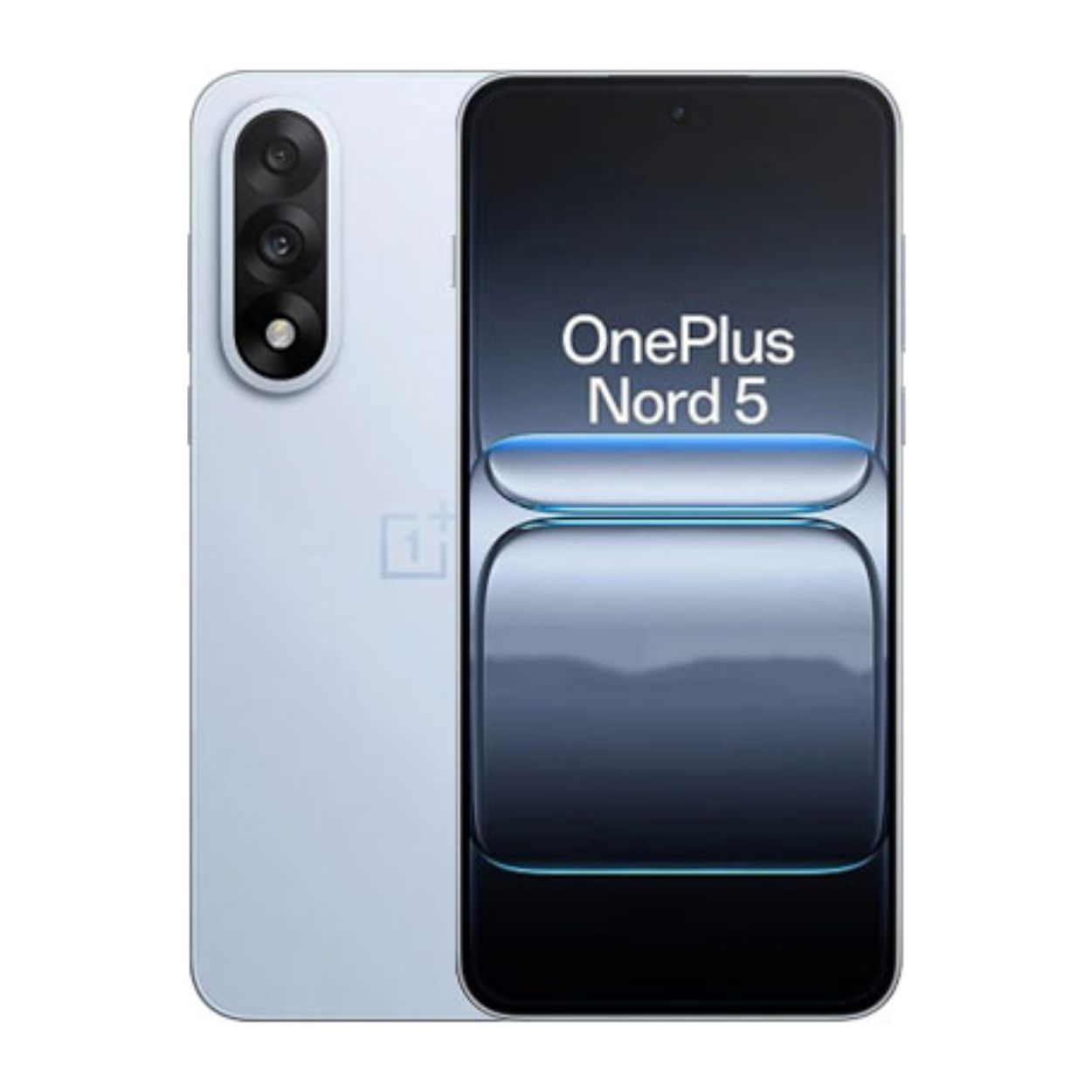
- OnePlus 10. Sharper 120Hz AMOLED display, faster 65W charging, lower entry price. Best for buyers who want performance and refresh rate without paying for computational photography features.
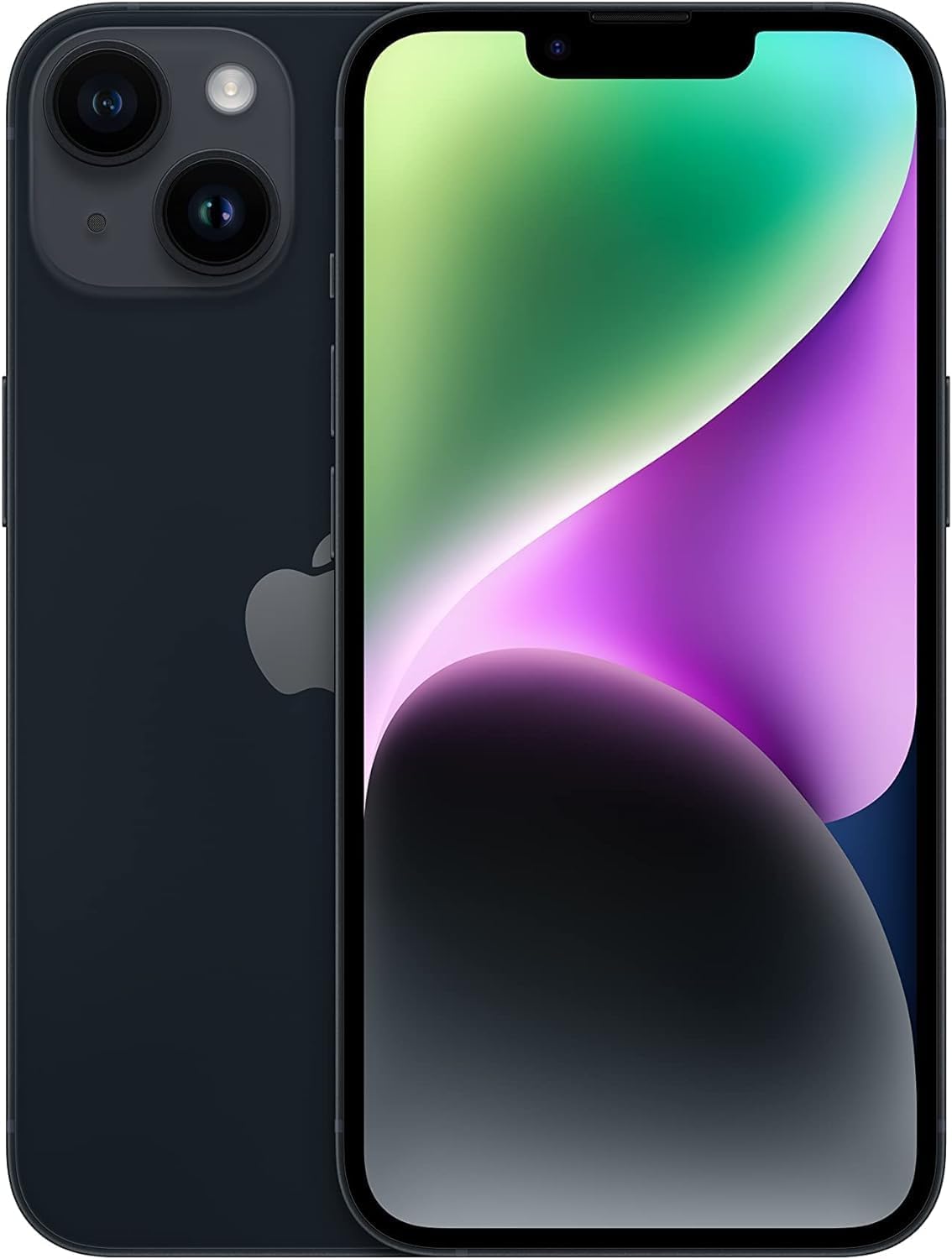
- iPhone 14. Better gaming performance (A15 Bionic), superior video stabilization, ecosystem integration with Apple devices. Choose this if you're already in iOS and want guaranteed app optimization.
How we evaluated Google Pixel 7
We assessed the Pixel 7 based on real-world use cases: actual battery endurance (13-hour test), camera computational capability compared to competitors at the same price tier, Tensor's AI/ML performance through benchmark scores and on-device task speed, display quality (brightness, color accuracy, refresh rate smoothness), software longevity, and storage constraints. We compared it directly to Galaxy S22 and iPhone 14 Pro to determine where it wins and where trade-offs matter most.
help_outlineFAQs about Google Pixel 7
QQ: Does the Pixel 7 support eSIM?addremove
AYes, it supports both Nano-SIM and eSIM, allowing dual SIM setup with one physical and one digital SIM.
QQ: Can you expand storage with a microSD card?addremove
ANo, the Pixel 7 has no card slot. You're limited to 128GB or 256GB internal UFS 3.1 storage.
QQ: Is the Pixel 7 waterproof?addremove
AIt's IP68 rated, meaning it survives submersion up to 1.5 meters for 30 minutes. It's splash and dust resistant, but not fully waterproof.
QQ: How long does the battery actually last in real use?addremove
AApproximately 13 hours of mixed use (browsing, messaging, camera). Heavy gaming or streaming reduces this to 10-11 hours.
QQ: Does it have face unlock like iPhone?addremove
ANo, the Pixel 7 only has an under-display optical fingerprint sensor. There is no face unlock feature.
thumbs_up_downPros & Cons of Google Pixel 7
check_circlePros
- doneComputational photography outperforms competitors with higher megapixel counts
- doneDedicated Tensor TPU makes on-device AI tasks (Magic Eraser, Real Tone, translation) faster than competitors
- done1500-nit peak brightness OLED display with 512 ppi is sharp and vibrant
- done3 years guaranteed major OS updates and 3 years security patches—longest support in this price range
- done4700mAh battery with 13-hour real-world endurance and 30W wireless charging included
cancelCons
- closeNo microSD expansion—storage locked at 128GB or 256GB
- close90Hz display instead of 120Hz; noticeably less smooth than Galaxy S22 and OnePlus 10 for fast scrolling and gaming
- closeCharger not included in box—requires separate purchase of USB-C Power Delivery charger
- closeTensor performance (~935k AnTuTu) trails Snapdragon 8 Gen 1 and A15 Bionic by 10-15% in raw benchmark scores
- closeNo ultra-wide or telephoto zoom like Pro models; 12MP ultrawide is adequate but not class-leading