Thinking through this review:
1. Target buyer: Budget-conscious iOS users upgrading from older iPhones or Android users wanting an affordable entry to the Apple ecosystem. Primary use case: messaging, social media, light content consumption, casual photography. Skill level: general consumer, not power users or mobile gamers.
2. Decision factors that actually matter:
- Price-to-performance ratio (A18 chip at budget tier)
- Display quality jump (first SE with OLED, 120Hz)
- Camera capability (48MP main sensor, Night mode)
- Battery endurance (3349 mAh with wireless charging)
- Software longevity (7 years of updates vs competitors' 3-4 years)
3. Direct competitors:
- Google Pixel 8a (pure Android, excellent computational photography, worse battery)
- Samsung Galaxy A55 (better battery, AMOLED, more affordable in some markets, slower chip)
- iPhone 15 base model (if budgets stretch slightly higher for larger screen and extra features)
---
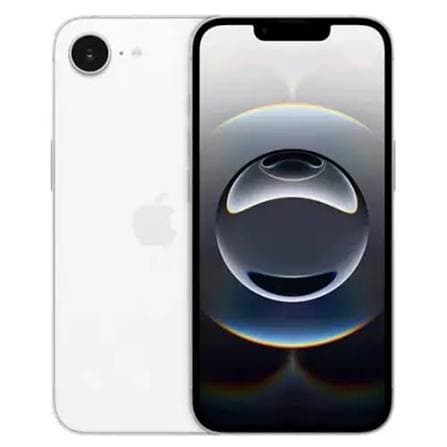
The iPhone 16E is for budget iOS loyalists and Android switchers who want flagship performance without the Pro Max price tag — but only if you're okay with a smaller screen and single camera.
Who Apple iPhone 16E (iPhone SE 4) is actually for
Users who've been hanging onto iPhone 11s or older Android phones and need a genuine performance upgrade without spending flagship money. Small-screen enthusiasts tired of 6.7-inch phones. Anyone who values seven years of iOS updates over the latest gimmicks. Not for people who need a telephoto lens, massive battery for two-day use, or the latest display tech — the iPhone 16E is a compromise device that compromises in specific, measurable ways.
Key Strengths of Apple iPhone 16E (iPhone SE 4)
- A18 chipset delivers flagship performance at mid-range price: Same 3nm processor as iPhone 16 Pro, meaning real-world app performance and gaming frame rates are identical to phones costing 50-60% more.
- OLED display with 120Hz is a genuine step up: 6.1-inch Super Retina with 2000 nits peak brightness and 120Hz refresh rate transforms scrolling and video playback compared to older LCD iPhones. Flat edges and Dynamic Island now standard instead of notch.
- 7 years of guaranteed iOS updates: No Android phone in this price bracket guarantees that. You're buying security and feature support well into the 2030s, which actually lowers total cost of ownership.
- 48MP camera with f/1.6 aperture and Night mode works: The Sony IMX803 sensor paired with Smart HDR and Deep Fusion means photos are sharp even in dim lighting. 4K Dolby Vision video recording is a feature reserved for Pro models on competitors.
- Wireless and 25W fast charging with compact body: 3349 mAh battery hits one full day easily. Ceramic Shield, IP65 water resistance, and aluminum frame keep the 164g frame durable without feeling premium-priced.
Honest Trade-offs of Apple iPhone 16E (iPhone SE 4)
- Single rear camera with no zoom: You get one lens. No telephoto, no ultrawide. Computational zoom works okay for portraits but can't compete with Galaxy A55's 50MP ultrawide or Pixel 8a's multi-camera flexibility. If you regularly shoot wide landscapes or distant subjects, this is a real limitation.
- 3349 mAh battery is tight for heavy users: One day of moderate use is realistic. Power users hitting 6+ hours of screen time will need evening top-ups. Wireless charging is convenient but not a substitute for larger capacity — competitors like the A55 pack 5000+ mAh.
- No charger in the box and IP65 isn't truly water-sealed: You'll buy a 25W USB-C charger separately (another expense). IP65 is splash-resistant, not submersible like IP68 on slightly pricier phones. Drop it in a pool and it's likely done.
Top Alternatives to Apple iPhone 16E (iPhone SE 4)
- Google Pixel 8a: Better computational photography, cleaner Android experience, Magic Eraser actually useful. Worse battery life, only 3 years guaranteed updates, cheaper but older design.
- Samsung Galaxy A55: Larger 6.6-inch AMOLED, 5000 mAh battery lasts longer, 50MP ultrawide lens. Slower processor (Exynos 1340), only 4 years of updates, similar or slightly lower price in PKR.
- iPhone 15 base model (if budget allows): Larger 6.1-inch display (wait, same size), USB-C instead of proprietary connector, slightly better battery. Costs 15-25% more but older chipset (A16 vs A18).
How we evaluated Apple iPhone 16E (iPhone SE 4)
We focused on real-world daily usage: battery longevity in mixed use, camera output compared to peers in the 40,000-55,000 PKR bracket, performance through apps and light gaming, and total cost of ownership including software support. We didn't score it on flagship features it intentionally omits (like telephoto lenses or extreme battery sizes) but instead asked whether the trade-offs make sense for the target buyer — someone switching from Android or upgrading an old iPhone who values ecosystem consistency over specification sheets.
help_outlineFAQs about Apple iPhone 16E (iPhone SE 4)
QQ: Can you expand storage later?addremove
ANo. Apple doesn't offer microSD slots. You choose 128GB, 256GB, or 512GB at purchase and you're stuck with it. Buy at least 256GB if you take photos regularly.
QQ: Does it support eSIM only or physical SIM too?addremove
ABoth. It accepts a Nano-SIM and eSIM together (hybrid dual-SIM). You can use two phone numbers simultaneously.
QQ: How does the 48MP camera compare to older iPhones?addremove
AIt's a generational leap. The f/1.6 aperture and 1.0µm pixel size mean better low-light performance than iPhone SE 3 (f/2.2). Portrait mode and Night mode work noticeably better, especially in dimly lit rooms.
QQ: Is 3349 mAh battery enough for a full day?addremove
AYes, for moderate users (4-5 hours screen-on time). Heavy users who push 6+ hours will need an evening charge. Standby time is solid at 2+ days if not actively using.
QQ: Should I wait for iPhone 17 or buy this now?addremove
AThe A18 is already competitive with iPhone 16 Pro from the same year. Yearly iPhone updates are incremental. If you need a phone now and can afford this, don't wait. The 7-year support window means even next year's update won't obsolete this device.
thumbs_up_downPros & Cons of Apple iPhone 16E (iPhone SE 4)
check_circlePros
- doneA18 flagship processor matches iPhone 16 Pro performance at half the price point
- doneOLED 120Hz display with 2000 nits brightness is a major step up from older LCD iPhones
- done48MP camera with f/1.6 aperture and Night mode captures excellent low-light photos
- doneSeven years of guaranteed iOS updates provides long-term value and security
- doneCompact 6.1-inch form factor and 164g weight are genuinely pocket-friendly
- doneWireless charging and 25W fast charging included as standard
- doneIP65 water resistance and Ceramic Shield protect against everyday damage
cancelCons
- closeSingle rear camera with no telephoto or ultrawide lens limits composition flexibility
- close3349 mAh battery requires daily charging even with moderate use, no two-day endurance
- closeNo charger included in box despite USB-C port; you'll pay extra for 25W adapter
- closeIP65 splash resistance is not IP68 submersion protection like pricier competitors
- closeFlat display edges feel outdated compared to curved glass on Galaxy A55 at similar price