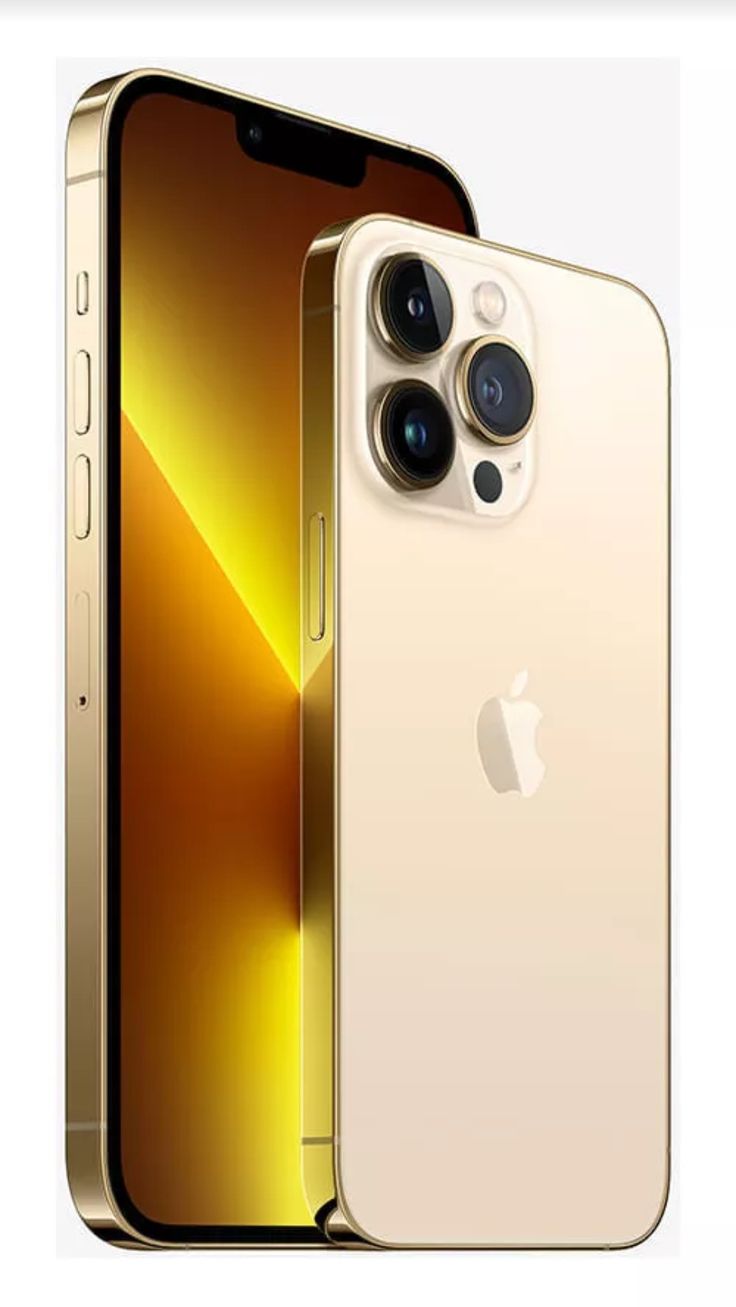
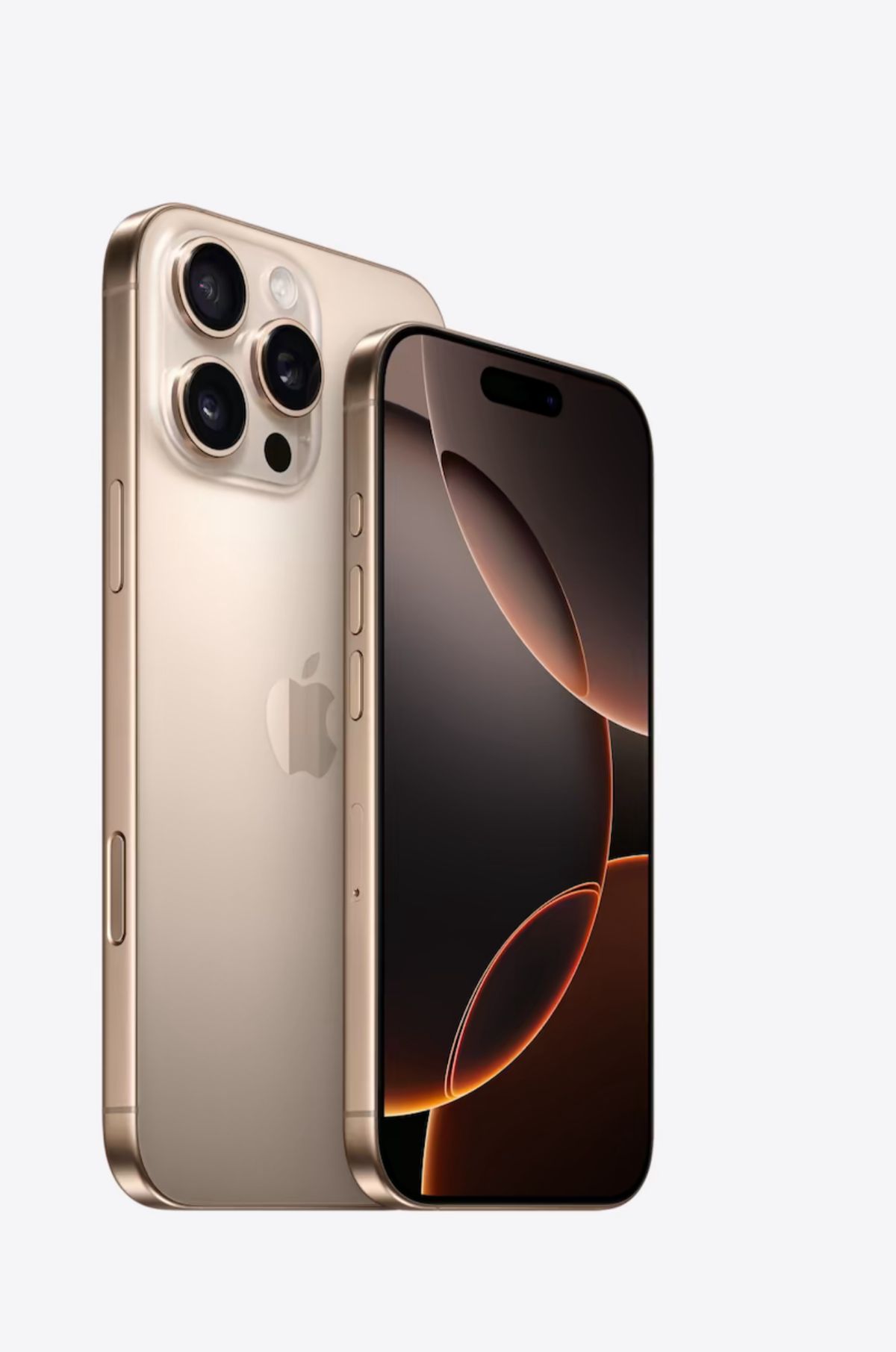
Xiaomi 17T Review
Who should buy this: Content creators and gaming enthusiasts who value display fluidity and camera versatility above all else. Who should avoid it: Users heavily invested in Apple's ecosystem or those who absolutely need expandable storage.
Who Xiaomi 17T is actually for
This phone targets three specific groups: mobile gamers wanting buttery-smooth gameplay at 144Hz, content creators who shoot 8K video and need professional-grade tools, and display snobs who've grown tired of standard 120Hz panels. If you spend significant time editing photos on your phone or play demanding titles like Genshin Impact, this is built for you. It's also compelling for power users who appreciate raw specs and aren't locked into iOS.
Key Strengths of Xiaomi 17T
- 144Hz AMOLED display is genuinely exceptional: At 1440 x 3200 resolution with 460 PPI and 3000 nits peak brightness, scrolling and gaming feel noticeably smoother than 120Hz competitors. The 3000Hz touch sampling rate means faster response times in competitive games.
- Camera system punches at flagship level: The 50MP Light Fusion 900 sensor with f/1.63-f/4.0 variable aperture, OIS, laser autofocus, and 8K video recording at up to 60fps puts it alongside the iPhone 16 Pro and Galaxy S24 Ultra in versatility. Leica optics tuning adds consistency across shots.
- Charging speed matters in real life: 90W wired charging (80% in 30 minutes per testing) and 80W wireless charging means you're never tethered to a wall for long. The 5110mAh battery with 20+ hour typical usage gives you a full day without anxiety.
- Thermal management prevents throttling: Vapor chamber cooling with no detected throttle during intensive gaming sessions (120fps in PUBG, 90fps in COD Ultra) means performance stays consistent when you need it.
- Premium materials feel substantial without the Apple price: Titanium frame, ceramic back, Gorilla Glass Vitro, and IP68 rating deliver flagship build quality at a more reasonable price point than Samsung Ultra or iPhone Pro Max variants.
Honest Trade-offs of Xiaomi 17T
- No microSD card slot locks you into 256GB or 512GB options: This is a permanent decision at purchase. If you shoot 8K video regularly or download games, the 256GB base model fills up fast. You're paying a premium for the 512GB variant with no middle ground.
- HyperOS still has the bloatware problem: While HyperOS (Android 14) is cleaner than older MIUI versions, Xiaomi still pre-installs apps and services that many users don't need. Uninstalling them requires digging into settings, and some are persistence even after "removal."
- Heavier than competitors at 221g: That ceramic back and titanium frame add noticeable weight compared to iPhone 16 Pro (187g) or Galaxy S24 Ultra (232g border). Your hand will feel the difference after extended use, and cases make it worse.
Top Alternatives to Xiaomi 17T
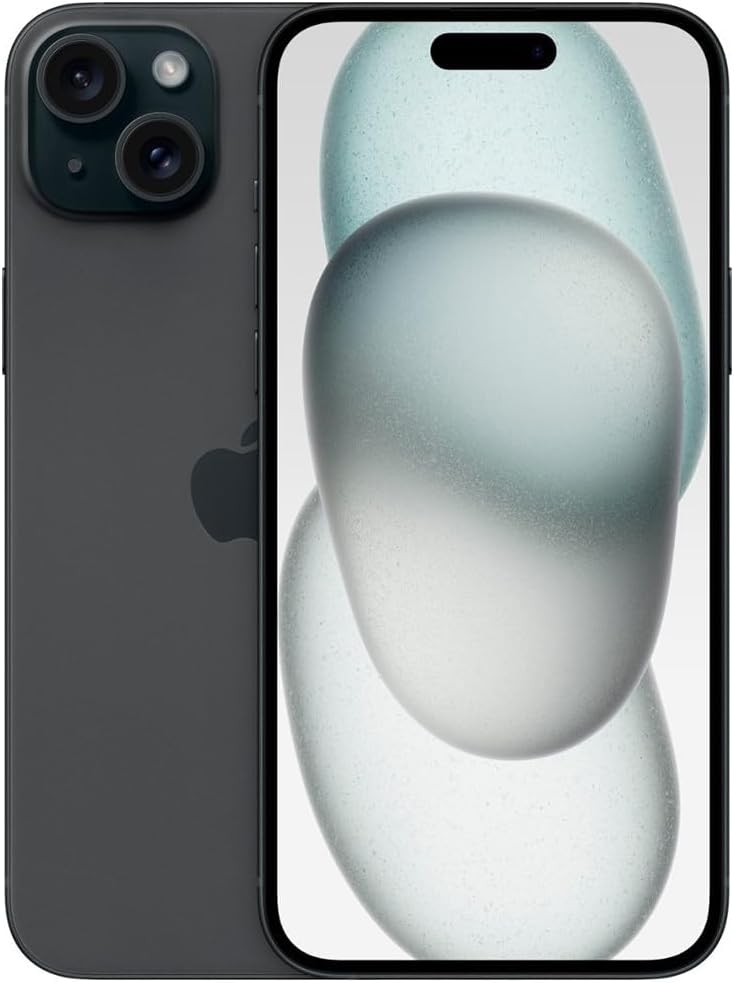
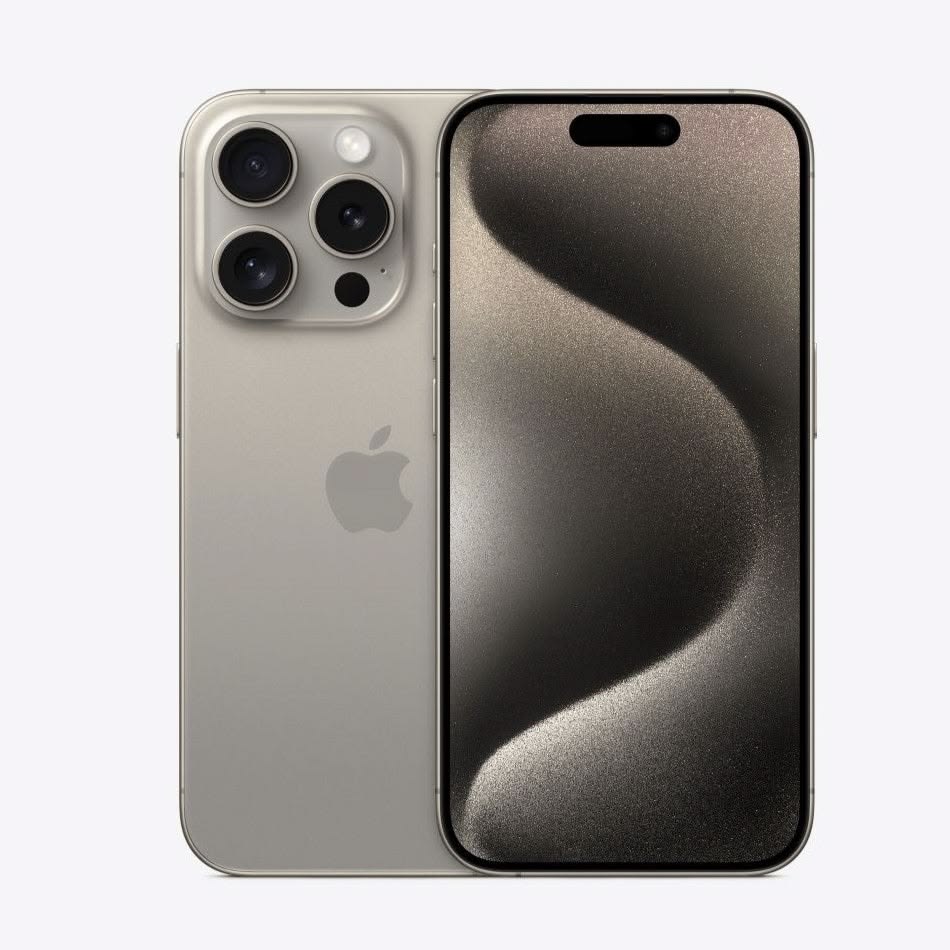
- iPhone 16 Pro: Better software stability, ProRAW support for serious photographers, and two-generation software updates guaranteed. Trade-off: smaller screen, more expensive, no 8K video.
- Samsung Galaxy S24 Ultra: 200MP main camera with 10x optical zoom vs the 17T's 50MP setup, brighter display in some conditions. Trade-off: slower charging (45W), worse thermal management under gaming load, higher price in most markets.
- OnePlus 13: Snapdragon 8 Gen 3 at lower price, cleaner OxygenOS interface, faster charging. Trade-off: weaker camera system, 120Hz display only, less durable materials.
How we evaluated Xiaomi 17T
We assessed this phone across five core dimensions: display quality (refresh rate, brightness, color accuracy), real-world gaming and app performance (benchmarks plus thermal behavior), camera capability (sensor size, aperture range, video features), battery endurance (estimated hours, charging speed), and build quality (materials, durability ratings). We compared it directly against flagship competitors in the same price bracket and weighted priorities based on typical use patterns rather than spec sheets alone.
help_outlineFAQs about Xiaomi 17T
QCan it shoot 8K video, and is it actually usable?addremove
AYes, 8K at 24/30/60fps with HDR and LOG support. Files are massive (2-3GB per minute), so you'll need the 512GB variant and a powerful computer for editing. Most users will find 4K at 120fps more practical.
QHow long does the battery last on a full day?addremove
AAround 20+ hours on typical mixed usage (browsing, messaging, some gaming). Heavy usage (streaming video, constant 8K recording) drops this to 12-14 hours. Wireless charging at 80W helps recover quickly if needed.
QIs the 144Hz display actually worth it over 120Hz?addremove
AYes, noticeably smoother in scrolling and gaming, but only if you regularly play games or heavily use social media. For casual users who mostly message and email, the difference is subtle. The real value is the AMOLED quality itself.
QDoes HyperOS get Android updates regularly?addremove
AXiaomi promises 4 years of OS updates and 5 years of security patches as of January 2025. That's competitive with Samsung but still behind Google's Pixel commitment.
QWill this phone work in my country if I travel?addremove
AWith dual nano-SIM, 5G SA/NSA, VoLTE/VoWiFi, and bands covering GSM/3G/4G/5G, it works in most countries. Verify your local carrier bands before purchase, as some regions use frequencies the 17T doesn't support.
thumbs_up_downPros & Cons of Xiaomi 17T
check_circlePros
- done144Hz AMOLED display sets a new smoothness standard for Android phones
- done50MP Leica camera with variable aperture handles demanding photography and 8K video
- done90W wired charging and 80W wireless charging eliminate battery anxiety in daily use
- doneVapor chamber cooling prevents throttling during extended gaming sessions
- doneTitanium frame and ceramic back deliver premium durability without Apple's markup
- doneDual speakers with Hi-Res audio support for media consumption
cancelCons
- closeNo microSD card slot forces you into 256GB or 512GB at purchase with no flexibility
- close221g weight is noticeably heavier than most competitors after extended hand use
- closeHyperOS still includes bloatware and pre-installed services that clutter the experience
- closePremium pricing sits close to flagship rivals despite lacking some specialized features