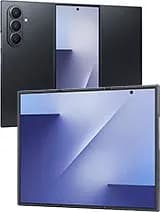
Samsung Galaxy Z TriFold Review
The Z TriFold is for wealthy early adopters and productivity-focused professionals who can justify 2,900 EUR (approximately 760,000 PKR) for a three-panel foldable—everyone else should wait for the second generation or buy a traditional flagship.
Who Samsung Galaxy Z TriFold is actually for
This phone targets three specific groups: mobile professionals who need maximum screen real estate for spreadsheets, presentations, and multitasking; content creators working with video editing and photo retouching on the go; and technology enthusiasts with disposable income who treat phones as status symbols and productivity tools rather than simple calling devices. It's not for budget-conscious buyers, casual users, or anyone hesitant about folding screen technology.
Key Strengths of Samsung Galaxy Z TriFold
- Massive 7.8-inch unfolded display with 2152 x 3088 resolution delivers a 94.2% screen-to-body ratio and 410 ppi density—genuine tablet-like productivity on a foldable that's thinner than most traditional flagships when unfolded (3.9-4.2mm).
- Snapdragon 8 Elite processor with octa-core CPU achieves benchmarks exceeding 3.2 million on AnTuTu and hits 120fps gaming performance on titles like PUBG and Call of Duty at ultra settings, with thermal management staying below 42°C under sustained load.
- Exceptional camera versatility with a 200MP primary sensor (f/1.7, 24mm), 10MP telephoto with 3x optical zoom, and 12MP ultrawide, plus dual front-facing cameras (10MP + 4MP). Records 8K video at 24/30/60fps with Dolby Vision support.
- 45W wired charging reaches 50% battery in 30 minutes, plus 15W wireless and 4.5W reverse wireless charging. The 5,550mAh battery achieves 20+ hours in endurance testing, realistic for moderate use across the three panels.
- 7 years of OS updates with monthly security patches through One UI 8.5 provides long-term software support—matching only Google's Pixel 9 Pro in this regard and exceeding most competitors.
Honest Trade-offs of Samsung Galaxy Z TriFold
- Folding display durability remains a real concern despite Gorilla Glass Armor and titanium hinges. The plastic inner display on the unfolded view is more prone to scratches than traditional glass, and any crease visibility or creasing over time isn't easily replaceable at typical warranty levels.
- No microSD card expansion forces you to choose between 512GB or 1TB storage upfront—there's no middle ground. For a 760,000 PKR device, locking users into fixed storage feels unnecessarily restrictive.
- At 296-309 grams, this is noticeably heavier than flagship alternatives, making one-handed use awkward when folded. The 12.9mm thickness when folded is considerably bulkier than a Galaxy S25, and it won't fit comfortably in most jean pockets without noticeable weight distribution issues.
- App optimization for the three-panel layout is inconsistent. While most apps work, true three-column layouts aren't universally available, meaning you're often viewing stretched-out two-column designs rather than purposeful interfaces built for this form factor.
Top Alternatives to Samsung Galaxy Z TriFold
- Samsung Galaxy Z Fold 6 (significantly cheaper, proven fold reliability, standard two-panel design): Choose this if you want a foldable with more refined software support and don't need the extra panel width. You'll save money and get virtually identical performance with a more mature form factor.
- Apple iPad Pro 13-inch + iPhone 16 Pro Max (combined cost approaching Z TriFold price): Buy this pairing if you want true tablet productivity without folding screen risk, plus the stability of two separate devices. You lose portability but gain reliability and better tablet-optimized apps.
- OnePlus 13 or Xiaomi 15 Ultra (flagship performance at 200,000-300,000 PKR less): These deliver 95% of the performance and cameras without the folding screen gamble. Best for users who want cutting-edge specs but view the Z TriFold's form factor as experimental rather than essential.
How we evaluated Samsung Galaxy Z TriFold
We assessed this phone across five core dimensions: real-world display usability and durability risk (given the three-panel design is unproven), everyday performance through gaming benchmarks and thermal management, camera consistency across all four lenses and video recording modes, battery endurance across the expanded panel, and long-term value considering the premium price and software commitment. We also weighed the practical trade-offs of folding technology against traditional flagships at similar price points, and considered whether the expanded screen actually translates to productivity gains or remains novelty.
help_outlineFAQs about Samsung Galaxy Z TriFold
QQ: Does the three-panel design mean the battery charges faster?addremove
ANo. The 5,550mAh battery charges at 45W wired (the same as many flagship phones), reaching 50% in 30 minutes. The expanded display doesn't improve charging speeds—in fact, powering three panels of AMOLED at 120Hz reduces battery endurance compared to traditional single-screen flagships.
QQ: Can I use this for professional video editing on the go?addremove
APartially. The expanded screen and Snapdragon 8 Elite provide real editing capability, and 8K video recording is built in. However, most video editing apps (DaVinci Resolve, Adobe Premiere Rush) aren't optimized for three-panel layouts, so you'll be working with stretched interfaces rather than purpose-built editing workspaces.
QQ: What's the actual durability of the folding mechanism after one year?addremove
ASamsung claims the titanium hinge housing and improved glass handle daily folding, but independent durability data is limited since this is the first tri-fold. The IPX8 water resistance helps, but sand and debris remain risks for the hinge gap.
QQ: Is the weight (296-309g) manageable for daily use?addremove
AIt's heavier than every standard flagship and comparable to small tablets. When folded at 12.9mm thickness, it's noticeably bulkier in a pocket. Most users find it acceptable for desk work but tiring for extended one-handed use.
QQ: How many years will this phone remain useful before folding technology becomes obsolete?addremove
AWith 7 years of OS updates guaranteed, the phone remains current until 2032. However, folding hardware durability (screen, hinge) is the limiting factor—replacement costs for cracked inner displays can exceed 30% of the original phone price, making repair uneconomical after year 3-4.
thumbs_up_downPros & Cons of Samsung Galaxy Z TriFold
check_circlePros
- doneLargest usable smartphone display available at 7.8 inches unfolded with exceptional 410 ppi pixel density and 3000 nits peak brightness for outdoor visibility.
- doneSnapdragon 8 Elite delivers flagship-class performance with 120fps gaming and AI processing speeds matching or exceeding competitors.
- done200MP main camera sensor with f/1.7 aperture and OIS captures detail-rich photos; 8K video recording with Dolby Vision is future-proofed for content creators.
- done7 years of OS updates and monthly security patches provide market-leading software longevity, protecting your 760,000+ PKR investment.
- done45W wired and 15W wireless charging with reverse wireless support offers flexibility; 5,550mAh battery achieves 20+ hours endurance in real-world testing.
cancelCons
- closeFolding AMOLED display durability is unproven over multi-year ownership; plastic inner panel scratches more easily than glass, and replacement costs will be prohibitive after warranty expires.
- closeAt 296-309 grams and 12.9mm folded thickness, the phone is heavier and bulkier than flagship alternatives, making it impractical for users expecting pocketable convenience.
- closeNo microSD card slot forces 512GB or 1TB commitment upfront; no middle-ground option exists for users who need 256GB expandable storage.
- closeApp ecosystem doesn't natively optimize for three-panel layouts, meaning most productivity apps display stretched two-column interfaces rather than purposeful three-column designs.
- closeStarting price of 760,000 PKR is 2-3x the cost of flagship alternatives with comparable performance, making this a luxury purchase rather than a value proposition for most buyers.