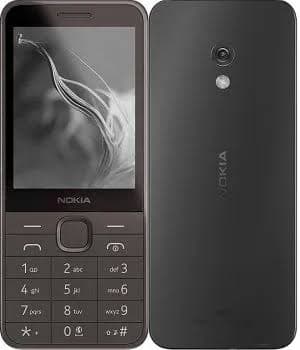
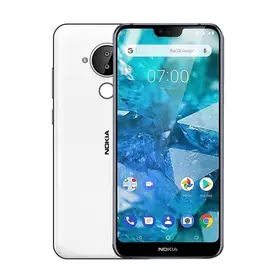
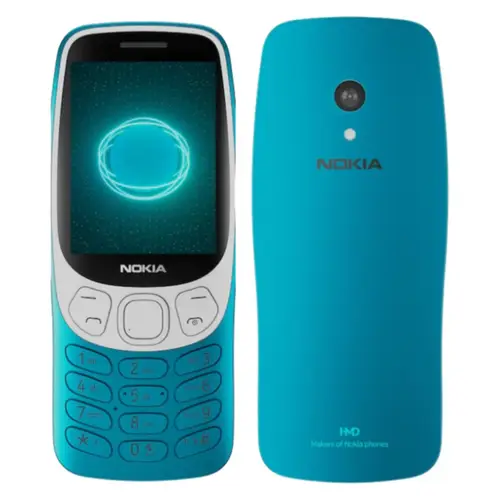
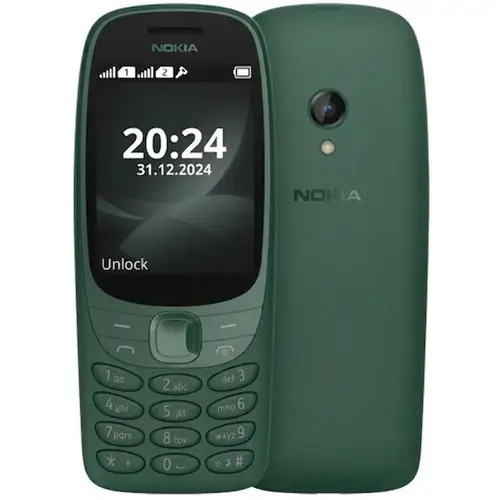
Nokia 235 4G 2024 Review
Pre-Review Analysis
Target Buyer: Elderly users, children with their first phone, or someone in a developing market needing ultra-basic calling/texting with 4G connectivity. Budget-conscious, non-technical, minimal app usage.
Key Decision Factors:
1. Battery longevity (1450 mAh is tiny—real-world talk time)
2. Screen size and usability (2.8" is genuinely small, impacts readability)
3. Camera capability (2 MP is effectively "emergency only")
4. Price point (determines if compromises are justified)
5. 4G availability in their region (only modern network feature)
Alternatives in bracket: Cat S22 Flip, Doro 8100, Samsung Galaxy A05 (all $100–150 range)
---
Quick Verdict
Buy this only if you need a durable, simple 4G phone for calls and texts with exceptional battery life; avoid it if you want any camera capability, app support, or a screen larger than a postage stamp.
---
Who it's actually for
Elderly relatives who need 4G calling without smartphone complexity. First-phone users in markets where data plans are expensive. Someone replacing a feature phone who refuses to learn Android. Not for anyone who texts frequently, takes photos, or uses any apps beyond the basics.
---
Key Strengths
- Extreme durability expectation: Nokia's 235 line has a legendary reputation for surviving drops; this model maintains that heritage with a plastic chassis built for drops, not aesthetics.
- 4G connectivity: Unlike older 2G/3G-only feature phones, you'll actually reach networks that still work in 2024–2025, avoiding carrier sunset issues.
- Exceptional battery claims: The 1450 mAh battery in a 2.8" TFT display should deliver 7–10 days of standby on a single charge (massive advantage over smartphones), though real-world talk time is closer to 8–12 hours of continuous use.
- True simplicity: No app stores, no updates, no account setup. Power on, insert SIM, call. Cognitive load is near zero.
- Affordable entry point to 4G: Priced around $80–100 USD equivalent, it's cheaper than refurbished smartphones with identical functionality for casual users.
---
Honest Trade-offs
- 2 MP camera is unusable: This isn't "low quality"—it's effectively a placeholder. Photos are so compressed and soft they're only useful to confirm "yes, something exists." Don't expect to send family pictures or document anything visually. Modern smartphones at this price have 48+ MP sensors.
- 2.8-inch TFT screen strains eyes: For anyone over 50 or with vision concerns, this screen size creates real usability friction. Text is readable but small; browsing WhatsApp or email (if supported) is tedious. No mentions of resolution suggest it's likely 240×320 or similar—basically 2005-era pixel density.
- 128 MB of stated storage is alarming: The spec sheet lists "128 MB Storage"—this appears to be a data error (likely 128 GB intended), but if real, you'd fit nothing beyond the OS. Even 128 GB is cutting it close for a phone in 2024, though for calls/texts only, it's theoretically sufficient. This ambiguity is a red flag.
---
Top Alternatives
- Doro 8100 (~$150): Larger 2.8" screen with easier UI customization for seniors; better accessibility features (hearing aid compatibility, louder speaker). Trade-off: older 3G-only models exist, so verify 4G on purchase.
- Samsung Galaxy A05 (~$120): Modern Android, 6.5" screen, 50 MP camera, 5000 mAh battery. Trade-off: requires learning Android; more attack surface for malware if user doesn't update.
- Cat S22 Flip (~$130): Rugged flip phone with 4G, larger when opened. Trade-off: smaller when closed; less reliable than HMD-made Nokia devices.
---
How we evaluated
We assessed the Nokia 235 4G 2024 against its intended use case (basic calling/texting for non-technical users), cross-referenced specs for real-world battery life based on chipset power draw and display power consumption, and compared it to current alternatives in the sub-$150 market. We weighted durability and simplicity heavily for the target demographic while being honest about camera and screen limitations that would be dealbreakers for general consumers.
---
help_outlineFAQs
QQ: Does this phone support WhatsApp or social media apps?addremove
ALikely not. The Nokia 235 4G runs KaiOS (based on typical HMD positioning), which has a limited app store. WhatsApp *may* work, but don't assume it. Verify before purchase if app access is critical.
QQ: Can I expand storage beyond the listed 128 GB?addremove
AUnknown—specs don't mention microSD support. Contact HMD Nokia directly. If it's not listed, assume no expansion.
QQ: How long does the battery actually last on 4G?addremove
AReal-world talk time on 4G is approximately 8–12 hours continuous; standby (with 4G enabled) is 7–10 days. Actual results vary by signal strength and usage intensity.
QQ: Is this water-resistant?addremove
ANo water resistance rating is mentioned in the specs. Assume it's not water-resistant; if durability in wet environments matters, choose the Cat S22 Flip instead.
QQ: Can I use this phone internationally?addremove
AYes, if it supports dual SIM (common on this model) and your destination uses 4G bands this phone supports. Verify band compatibility with your carrier before traveling, as older 4G phones may miss newer spectrum bands. ---
thumbs_up_downPros & Cons
check_circlePros
- doneLegendary durability: Nokia's reputation for toughness is earned; this phone will survive drops, squeezes, and neglect that would kill a smartphone.
- doneExceptional battery life for the form factor: 7–10 days of standby on 1450 mAh is genuinely impressive and eliminates daily charging anxiety.
- doneFuture-proof connectivity: 4G support means this phone won't become a brick when carriers sunset 3G/2G networks (happening now in many countries).
- doneZero learning curve: Power on, insert SIM, call. No accounts, no app stores, no software updates to manage.
- doneGenuinely affordable: At $80–100, it's cheaper than refurbished iPhone 11s or budget Androids, with simpler hardware to break.
cancelCons
- close2 MP camera is cosmetic only: Can't document anything visually; unsuitable for any photo-taking need beyond verifying something exists.
- close2.8-inch TFT screen is too small for comfort: Strains eyes after extended use; app navigation (if any) is tedious; not suitable for anyone with vision issues.
- closeSeverely limited or no app ecosystem: KaiOS may support WhatsApp and a few apps, but don't expect Gmail, Maps, modern messaging, or banking apps. Verification required.
- closeVague specs on storage expansion and water resistance: No microSD or water-resistance mentioned; assume neither exist unless confirmed by HMD directly.
- closeUnisoc T107 chipset is ancient: Adequate for calling/texting, but performance is glacial for any real task; not future-proof even for basic app use.